
Recognizing Common Wall Problems
Wall surfaces can develop cracks, holes, dents, and worn areas for many reasons. Small issues may seem harmless, but they can become more noticeable and harder to correct when ignored. Proper repair restores the surface, improves its appearance, and helps protect the surrounding material from further damage.
Starting With the Right Repair Approach
For homeowners searching for Plaster Repair Services in Lynchburg VA, the goal is usually more than covering a damaged spot. A good repair should blend with the existing wall, create a smooth finish, and leave the surface ready for paint or another decorative treatment. Careful preparation makes that result possible.
Understanding Why Plaster Becomes Damaged
Plaster can be affected by age, moisture, settling, accidental impacts, or changes in temperature. Cracks may appear around corners, ceilings, windows, and doors. Loose sections can also separate from the base behind them. Identifying the reason for the damage helps determine the right repair method.
Inspecting the Area Before Work Begins
Before repairs begin, the damaged area should be inspected closely. A surface that looks like a simple crack may have a deeper issue underneath. Loose material, hollow areas, recurring cracks, or signs of moisture deserve attention before cosmetic work is completed. This prevents a quick repair from becoming temporary.
Fixing Holes, Dents, and Surface Marks
Small holes and dents are common in busy homes. Moving furniture, mounting shelves, removing fixtures, and everyday accidents can leave visible marks. These areas often need cleaning, filling, smoothing, and careful finishing. Matching the surrounding texture is important because uneven repairs can remain obvious after the wall is painted.
Working With Older Wall Surfaces
Older walls may need a different approach from newer surfaces. Existing plaster can have unique thickness, texture, and layers that should be respected during repair. Removing too much material can make the job larger than necessary. Gentle preparation helps preserve the surrounding wall while providing a stable area for new material.
Preparing the Surface Carefully
A smooth finish depends heavily on preparation. Dust, loose fragments, old paint, and unstable material should be removed from the repair area. The edges may need to be shaped or cleaned so new material can bond properly. Rushing this stage often leads to weak patches and visible transitions.
Handling Different Wall Materials
Related wall work can involve more than traditional plaster. Homes may contain drywall, compound, textured finishes, or several materials joined together. That is why Drywall & Wall Repair Services can be useful when multiple surface problems appear in the same room. Coordinated work can help create a consistent final appearance.
Paying Attention to Cracks
Crack repair should also consider the size and location of the damage. Fine surface cracks may require simple treatment, while wider or recurring cracks can need additional preparation. Areas around doors, windows, and ceiling joints may experience movement over time, so the repair should account for those conditions.
Applying Repair Material in Layers
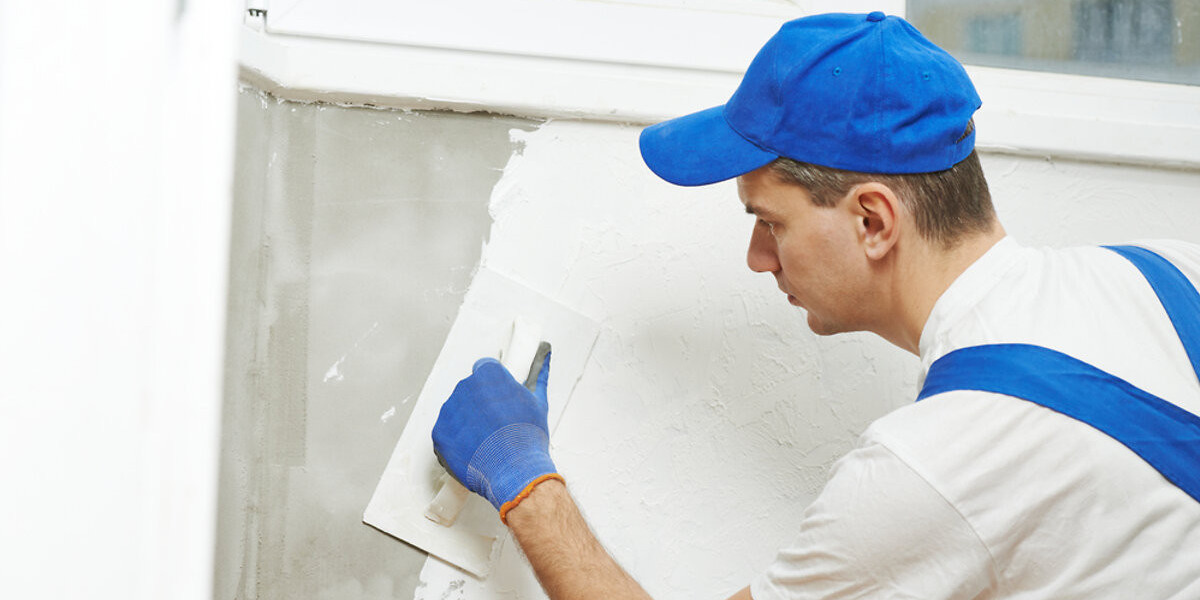
After the damaged section is prepared, repair material can be applied in controlled layers. Each layer should be given enough time to set before additional work continues. Building the surface gradually helps reduce shrinkage, uneven spots, and other flaws that can become visible once the wall receives fresh paint.
Creating a Smooth Finished Surface
Sanding and finishing are important because even a strong repair can look poor if the surface is uneven. The repaired area should transition naturally into the surrounding wall. Light sanding and careful inspection can reveal ridges, depressions, or rough edges that need correction before the finishing stage.
Preparing for Painting
Painting should generally wait until the repaired surface is fully prepared. Applying paint too early can highlight differences in texture or cause an unfinished area to stand out. A suitable primer can also help create a more uniform base. Proper preparation gives the final coating a cleaner and more consistent appearance.
Choosing a Suitable Repair Solution
Choosing the right repair approach depends on the material, extent of damage, location, and condition of the surrounding surface. Taking time to inspect these factors can lead to a more durable and attractive result. Well-finished walls improve the overall feel of a room while helping maintain the condition of the interior.