
Improve the Home You Already Have
Not every home improvement project needs to involve a major renovation. Sometimes, a few carefully selected changes can make rooms easier to use and more comfortable. Updating worn features, improving storage, repairing damaged surfaces, and adjusting inconvenient fixtures can provide noticeable benefits while keeping the project focused on practical household needs.
Start With Everyday Frustrations
The best small improvements often come from problems homeowners experience repeatedly. A cabinet that never closes properly, a door that sticks, insufficient shelving, or damaged trim can become surprisingly irritating when used every day. Making a list of these recurring frustrations provides a useful starting point for deciding which improvements can make the biggest difference.
Make Underused Spaces More Useful
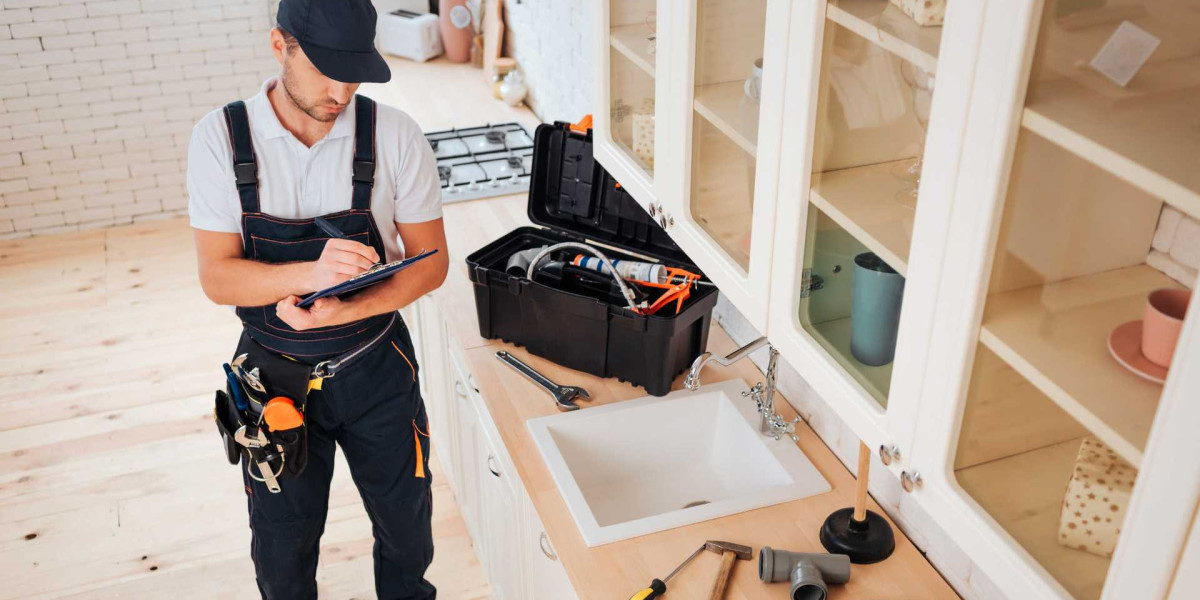
Unused corners and awkward areas can often serve a better purpose with thoughtful improvements. Simple shelving, storage solutions, hooks, trim adjustments, or customized organization can turn wasted space into something practical. Handyman Services Hayward CA can support homeowners with various smaller installation, repair, assembly, and improvement projects that help make existing spaces more functional.
Refresh High-Visibility Areas
Entryways, living rooms, kitchens, and other frequently seen spaces can benefit from targeted updates. Replacing worn hardware, repairing damaged walls, touching up surfaces, or improving fixtures can create a cleaner appearance without changing the entire room. Focusing on visible problem areas can make a home feel more maintained without requiring an extensive remodeling project.
Upgrade Hardware Where It Matters
Small hardware changes can have a surprisingly noticeable effect. Cabinet handles, door hardware, shelf brackets, hooks, and other functional components are touched frequently, so worn or outdated pieces can affect both appearance and convenience. Selecting hardware that fits the existing style can provide a simple improvement while also addressing loose, damaged, or unreliable components.
Create Better Storage Solutions
Storage problems often result from poor use of available space rather than an actual lack of space. Adding shelves, organizers, hooks, or strategically positioned storage can make rooms easier to maintain. Before installing anything, consider what will be stored, how frequently it will be accessed, and whether the chosen location allows comfortable movement around the room.
Repair Surfaces Before Decorating
Decorating over damaged surfaces can make imperfections more noticeable rather than hiding them. Small holes, cracks, dents, peeling areas, and damaged trim should generally be addressed before applying new paint or other finishes. Proper surface preparation creates a cleaner foundation and can help new decorative work appear more consistent throughout the room.
Improve Doors and Cabinets
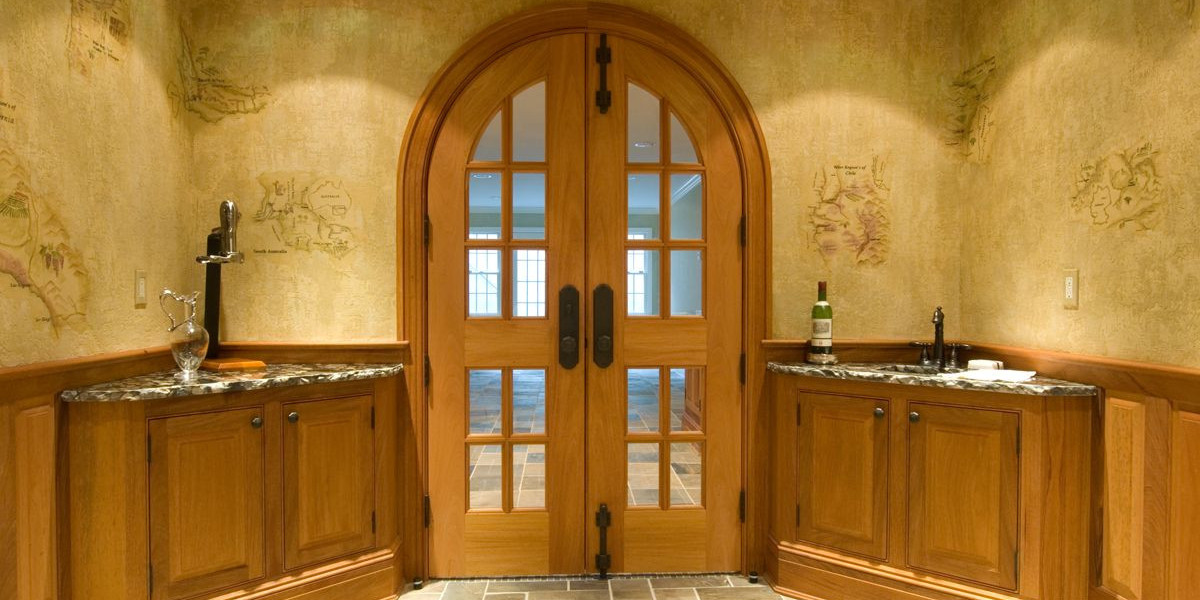
Doors and cabinets contribute heavily to how a home feels during everyday use. Misaligned doors, loose hinges, sticking drawers, worn catches, and damaged panels can reduce convenience. Adjustments or targeted repairs may restore proper operation without requiring complete replacement. This can be especially useful when the main structure remains sound but individual components have deteriorated.
Think About Safety During Improvements
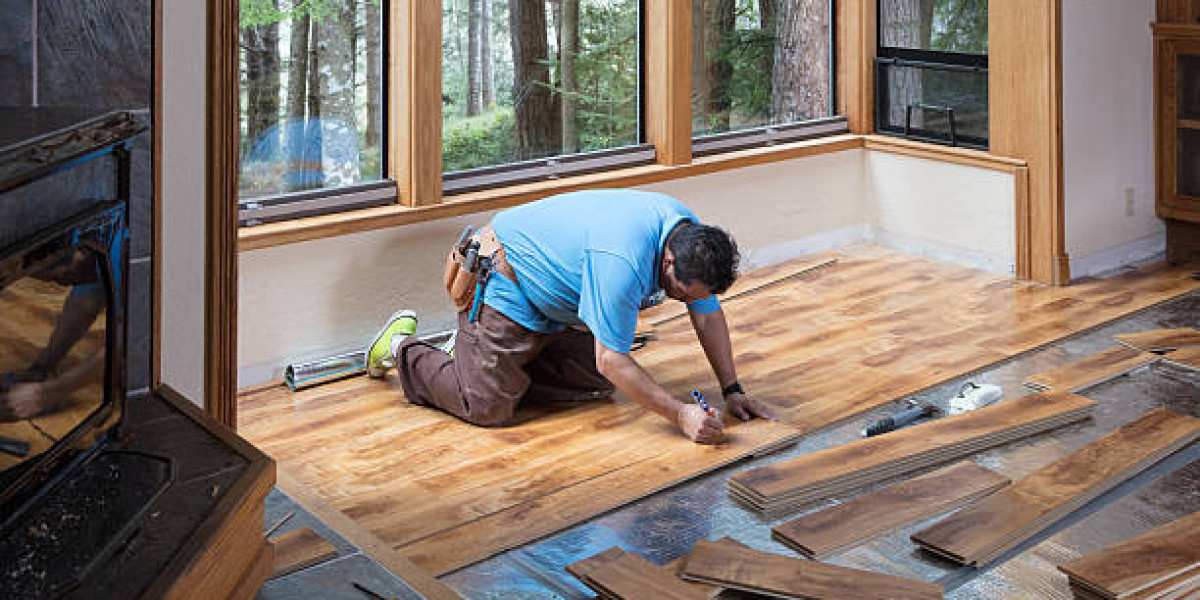
Even cosmetic-looking projects can involve practical safety considerations. Loose railings, unstable shelving, damaged flooring, poorly secured fixtures, and awkward transitions deserve attention because they can affect how people move through the property. When planning upgrades, homeowners should consider whether a change will simply improve appearance or also make the space easier and safer to use.
Give Exterior Areas Some Attention
Home improvement should not stop at interior rooms. Gates, fences, exterior trim, steps, and other visible outdoor features can gradually show signs of weather exposure and regular use. Repairing localized damage, replacing worn components, or refreshing surfaces can help maintain the property’s overall appearance while addressing problems before they become more extensive.
Build Improvements Around Real Needs
Home upgrades are most useful when they solve actual problems rather than simply adding features. Consider what makes a room inconvenient, what requires repeated maintenance, and what prevents the space from working efficiently. By focusing improvements around those needs, homeowners can make practical changes that improve daily living while keeping projects controlled and purposeful.