
Start With a Clear Project Plan
A successful commercial construction project begins with a clear understanding of the building's purpose, size, layout, and long-term requirements. Before construction starts, property owners and project managers need to define their goals and expectations. A detailed plan helps organize the work and reduces confusion during later stages. It also provides a practical foundation for budgeting, scheduling, design decisions, and contractor coordination.
Building Around Business Requirements
Businesses have different needs based on their industry, employees, customers, equipment, and daily operations. Commercial Building Construction Services Las Vegas NV can support projects that require carefully planned spaces for offices, retail operations, warehouses, restaurants, and other commercial purposes. The building layout should make everyday activities easier while providing enough room for future changes. Good planning can also help create a professional environment that supports productivity and customer experiences.
Choosing the Right Design Approach
Design plays an important role in how a commercial property performs after completion. Architects and construction professionals consider factors such as available space, traffic flow, lighting, storage, accessibility, and safety. The design should balance appearance with practical use. A visually attractive building may create a strong first impression, but it also needs functional spaces that suit the people using the property every day.
Managing Materials and Construction Quality
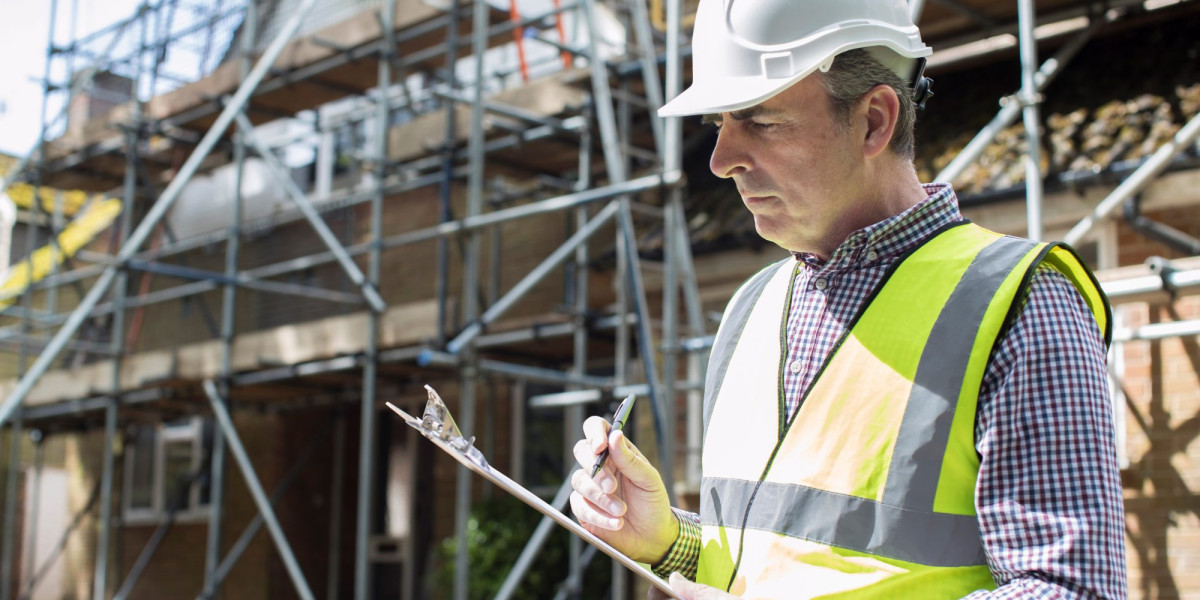
Quality materials can influence the durability, appearance, and maintenance needs of a commercial building. Construction teams need to select materials that match the project's design, budget, environmental conditions, and expected usage. Proper installation is equally important. Even high-quality materials can cause problems when they are handled or installed incorrectly. Regular inspections during construction can help identify issues early and maintain consistent workmanship throughout the project.
Keeping the Budget Under Control
Cost management should remain a priority from the planning stage through completion. Construction expenses can include materials, labor, permits, equipment, design services, site preparation, and other project requirements. A detailed budget gives owners a better understanding of expected expenses before work begins. Construction Services Las Vegas may involve several different phases, so keeping financial records and reviewing project costs regularly can help reduce unexpected problems and improve overall organization.
Staying Focused on Project Scheduling
Commercial construction projects often involve many workers, suppliers, contractors, inspections, and deliveries. A realistic schedule helps coordinate these moving parts and keeps each stage organized. Delays can happen because of material availability, design changes, weather, inspections, or unexpected site conditions. Regular communication between project participants can make it easier to address these issues. Updating schedules when necessary also helps everyone understand current priorities and upcoming tasks.
Prioritizing Safety and Compliance
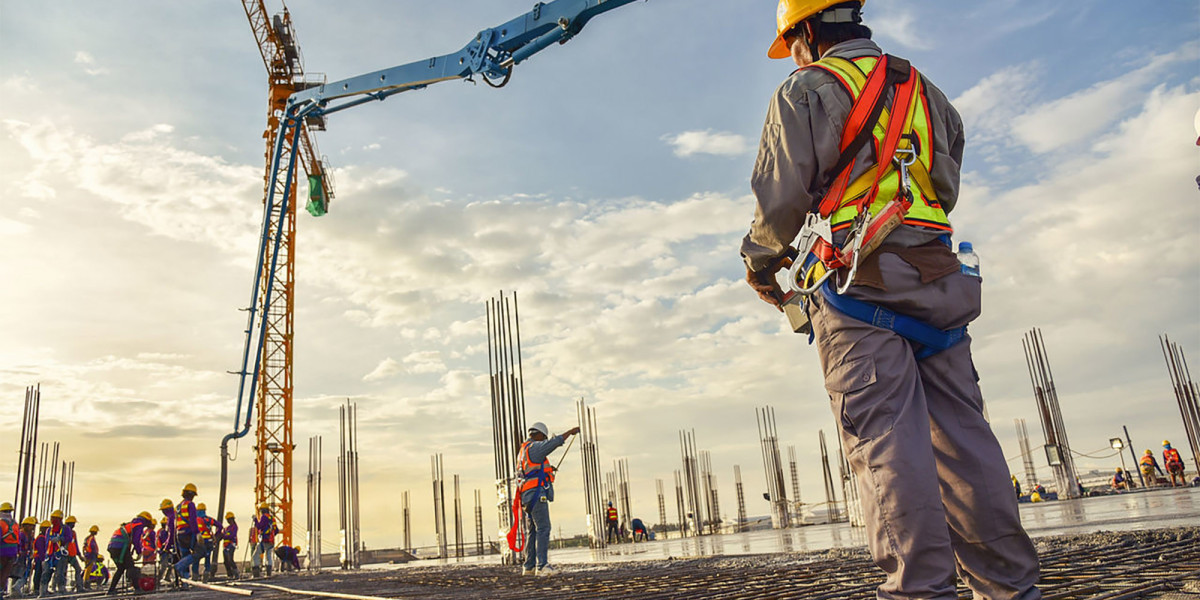
Safety should be considered throughout every stage of construction. Workers need appropriate protective equipment, clear work procedures, and a properly managed job site. Commercial buildings may also need to meet applicable building codes, accessibility requirements, fire safety standards, and permit conditions. Following required regulations can help prevent costly corrections later. A well-organized site also reduces unnecessary hazards and allows workers to complete their responsibilities more efficiently.
Preparing for Long-Term Building Use
Construction does not end with completing the physical structure. Before opening the property, owners should review important systems, finishes, fixtures, and functional areas. Final inspections can help confirm that completed work meets project expectations. It is also useful to keep records of materials, equipment, warranties, and maintenance requirements. Proper preparation can make future repairs and upgrades easier while helping the building remain useful as business needs change.
Making Practical Construction Decisions
Commercial construction requires many decisions, and each one can affect the final property. Clear communication, realistic planning, quality workmanship, and careful cost control can contribute to a smoother building process. Owners should consider both immediate requirements and long-term goals when making important choices. By approaching construction as a coordinated process rather than a series of separate tasks, businesses can create spaces that are functional, durable, professional, and prepared to support their operations for years to come.