
Understanding Connected Home Technology
A connected home can make daily routines easier, safer, and more comfortable. Modern technology allows homeowners to manage lighting, climate, entertainment, security, and other household features from convenient controls. Instead of handling every system separately, automation can bring several functions together and create a home environment that responds to everyday needs. It can also reduce the number of repetitive actions required during busy mornings or quiet evenings.
Simplifying Everyday Home Control
A Smart Home Automation System in Paradise Valley AZ can connect different devices so they work together through scheduled actions, sensors, voice commands, or mobile controls. Homeowners may adjust lights, thermostats, door locks, shades, cameras, and entertainment equipment without moving from room to room. The goal is not simply to add more technology, but to make useful technology easier to manage. A well-planned setup can also be tailored to the layout and routines of a particular property.
Creating More Convenient Daily Routines
Automation can simplify many small tasks that are repeated throughout the day. Lights can turn on at selected times, thermostats can follow preferred schedules, and shades can be adjusted according to routines. A homeowner can also create scenes for activities such as relaxing, watching a movie, or preparing for bedtime. These settings reduce the need for constant manual adjustments and help different devices respond together instead of requiring separate commands.
Improving Home Comfort
Comfort is another important reason homeowners explore connected technology. A smart thermostat can help maintain preferred temperatures while allowing adjustments through a phone or central control. Automated shades and lighting can also support different times of day. When these features are coordinated, homeowners can create rooms that feel more comfortable without repeatedly changing several devices by hand. This can be especially useful when household preferences vary between bedrooms, living areas, and other spaces.
Supporting Home Security
Connected security features can provide convenient ways to monitor a property. Smart cameras, door sensors, locks, motion detectors, and video doorbells may be managed through a central platform. Notifications can alert homeowners when selected activity occurs. Lighting can also be programmed to create an occupied appearance while the home is empty. These features can make security routines easier to monitor and give residents more convenient access to information when they are away from the property.
Managing Energy More Efficiently
Automation may also help homeowners pay closer attention to energy use. Lights can switch off when they are no longer needed, while thermostats can follow schedules that match occupancy. Motorized shades can be coordinated with sunlight and indoor temperature preferences. These actions do not guarantee lower utility bills, but they can reduce unnecessary operation and give homeowners greater control over household energy habits. Reviewing schedules regularly can help keep automated settings aligned with actual daily routines.
Choosing the Right Connected Features
Every home has different needs, so automation should be planned around the way the property is used. Some homeowners may focus on lighting and climate control, while others may want stronger integration between entertainment, security, and access systems. It is also useful to consider how devices communicate with each other, how controls will be accessed, and whether the system can support future additions. Smart Home Services can help organize these options around practical household priorities rather than adding technology without a clear purpose.
Making Technology Easier to Use
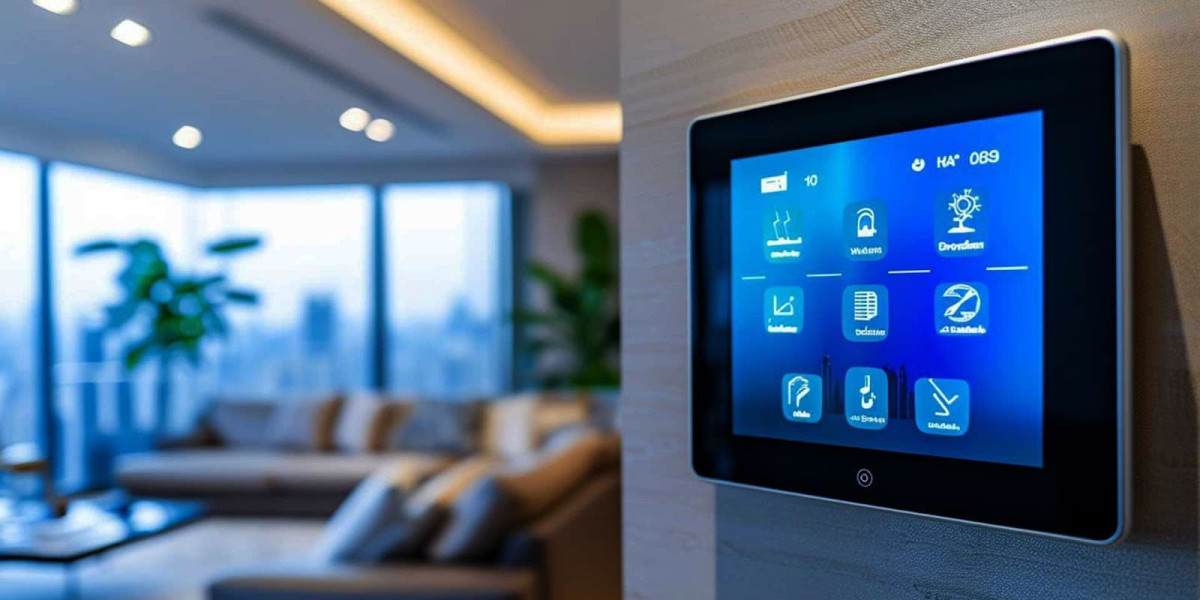
Good automation should feel straightforward rather than complicated. Centralized controls can reduce the number of separate applications or remotes needed for common tasks. Voice control can provide another option for adjusting compatible devices. Professional planning can also help organize scenes, schedules, and device connections so household members can understand how the system works without dealing with unnecessary complexity. Simple controls are especially important when multiple people use the home every day.
Getting More From Professional Installation
Professional installation can be useful when several systems need to communicate as one setup. An experienced team can review the home's layout, identify suitable devices, configure connections, and test automated routines. Proper installation can also help prevent common issues caused by incompatible equipment or poorly planned controls. Homeowners can then receive guidance on using and adjusting the system as their needs change. Testing each function before completion can further improve reliability and everyday usability.
Planning for the Future
Smart technology continues to develop, so flexibility matters when creating an automated home. A system that can accept compatible devices and expand over time may be more practical than a setup designed around only today's needs. Homeowners can begin with the features they value most and add other functions later. With thoughtful planning, automation can become a useful part of everyday living rather than a collection of disconnected gadgets. The best approach is to choose dependable features that provide clear value and can adapt as household needs evolve.