
Recognizing Bee Activity Early
Bee activity around a commercial property can become a concern when insects begin gathering near entrances, roof areas, wall openings, landscaping, or other parts of the building. While bees play an important role in the environment, their presence near busy business areas may create challenges for employees, customers, tenants, and visitors. Recognizing unusual activity early can help property managers determine whether professional evaluation is appropriate.
Assessing Where Activity Is Occurring
Commercial Bees Extermination Services Fort Wayne IN can help businesses investigate areas where bee activity has become difficult to manage. Professionals can inspect accessible exterior and interior locations to understand where insects are entering or gathering. Finding the source is important because simply addressing visible insects may not resolve the underlying issue. A thorough assessment can provide information needed to determine appropriate next steps for the property.
Checking Potential Entry Points
Commercial buildings can contain many openings that may provide access to insects. Gaps around roofing materials, vents, utility penetrations, siding, windows, and other exterior components can create possible entry points. Professionals can look for conditions that may contribute to recurring activity. Identifying these areas can help property managers understand what maintenance may be needed alongside pest management and reduce opportunities for insects to access certain parts of the building.
Protecting Busy Business Areas
Businesses need to maintain environments where people can move around comfortably. Bee activity near doors, outdoor seating, walkways, loading areas, or employee spaces can interfere with normal operations. Depending on the location and circumstances, professional pest management can help address the problem while considering the property's daily schedule. Planning service carefully can help limit disruption and keep attention focused on areas where activity is most noticeable.
Working With Experienced Pest Professionals
A Professional Pest Control Services provider can offer a structured approach to commercial pest concerns. Experienced technicians can evaluate the property, identify conditions associated with pest activity, and explain available management options. Businesses should consider a provider's experience, communication, treatment approach, and ability to work around commercial schedules. Clear information is especially useful when property managers need to coordinate pest service with employees, tenants, customers, or maintenance teams.
Considering the Type of Bee Activity
Not every situation involving bees is identical. Different species may behave differently and establish activity in different locations. Some may gather around flowering plants, while others may establish colonies in protected spaces. Proper identification can therefore be useful before deciding on a management approach. A qualified professional can evaluate the situation and determine what type of activity is present rather than treating every bee encounter in exactly the same way.
Addressing Activity Near Building Structures
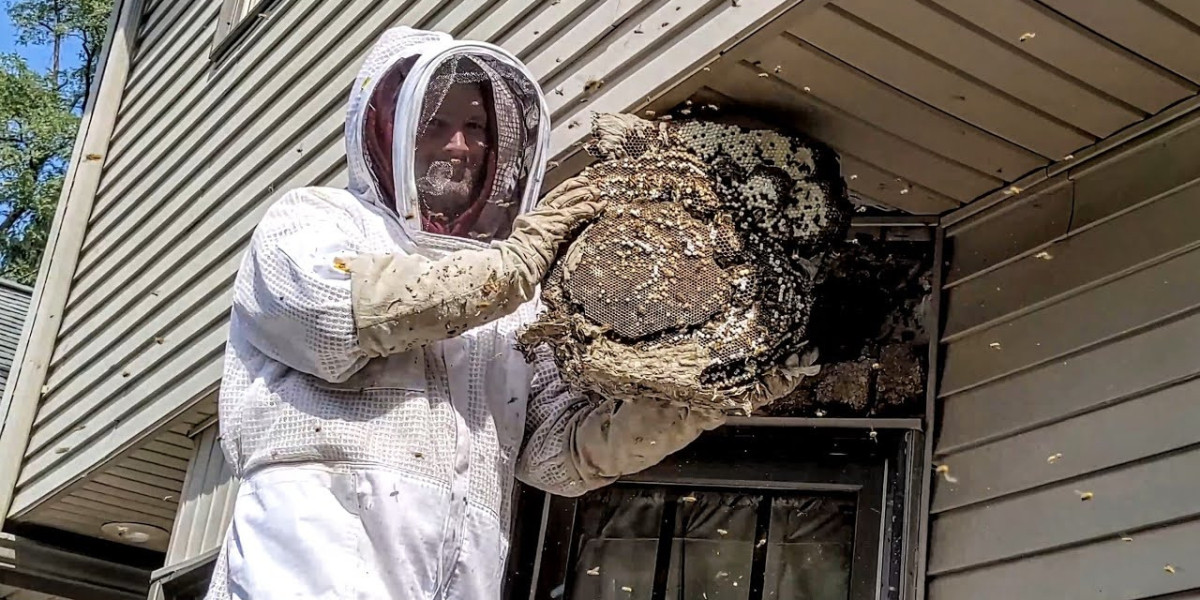
When insects establish activity close to or within building components, the situation may require more careful attention. Areas such as wall voids, roof spaces, soffits, and other protected locations can be difficult for property staff to inspect safely. Professional assessment can help locate accessible signs of activity and determine whether additional building maintenance may be necessary. Addressing the surrounding conditions can support a more complete property management strategy.
Keeping Employees and Customers Considered
Commercial pest management should account for the people who use the property every day. Employees may need to access entrances, parking areas, storage spaces, and outdoor work areas, while customers may move through public sections of the building. Property managers can communicate service schedules and temporarily restrict affected areas when appropriate. Coordinating these details can help maintain orderly operations while pest concerns are being evaluated and addressed.
Supporting Ongoing Property Maintenance
Pest control works best when it is considered alongside general building maintenance. Overgrown vegetation, exterior gaps, damaged screens, standing water, and deteriorating materials may contribute to pest activity or provide convenient access points. Regular property inspections can help identify these conditions before they become larger concerns. Maintaining exterior areas and addressing building defects promptly can support broader efforts to keep commercial spaces properly maintained.
Planning for Future Pest Concerns
A single pest incident may reveal conditions that deserve continued attention. After professional service, property managers can monitor previously affected areas and watch for renewed activity. Keeping records of inspections, treatments, and maintenance work can make future planning easier. A consistent approach allows businesses to respond to recurring concerns with more information rather than starting from scratch whenever insects appear around the property.
Maintaining a More Manageable Commercial Property
Bee activity requires thoughtful handling, particularly around busy commercial environments. Professional evaluation can help businesses understand where activity is occurring and what property conditions may be contributing to it. By combining appropriate pest management with routine building maintenance and careful monitoring, property owners and managers can take a more organized approach to protecting their facilities and maintaining a comfortable environment for everyone who uses the property.