Recognizing the Signs of Trouble
A microwave can become an essential part of a busy kitchen, so even a small problem can interrupt daily routines. Issues such as unusual noises, weak heating, a faulty display, or a door that does not close correctly should not be ignored. Some problems are simple, while others involve electrical components that require trained attention. Understanding the warning signs helps homeowners respond early and avoid making a minor appliance issue more complicated.
When Professional Help Makes Sense
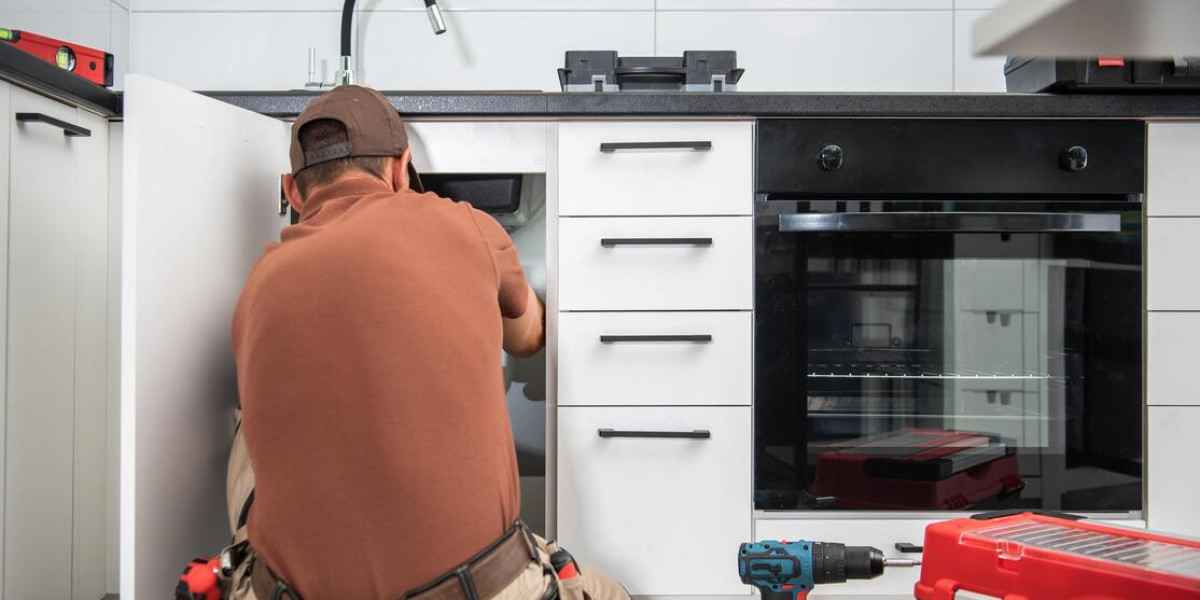
Searching for Microwave repair Dunwoody can be a practical step when an appliance stops working as expected. A trained technician can inspect the unit, identify the source of the problem, and explain whether repair is reasonable. This is especially useful when the microwave powers on but does not heat, shuts off during use, produces unusual sounds, or shows repeated error messages. Professional service also reduces the temptation to open the appliance and investigate sensitive internal parts without proper knowledge. It can also save time by focusing on the actual fault instead of relying on trial and error. When an appliance is still relatively new, a proper diagnosis may help preserve its useful life and prevent unnecessary spending on a replacement.
Common Microwave Problems
Microwaves can develop several different faults over time. A unit may run without heating food properly, while another may have problems with the turntable, control panel, interior light, or door mechanism. Sparks or burning smells can indicate a more serious issue and should be treated carefully. Sometimes the cause is related to a worn component, while other cases involve wiring, sensors, or control electronics. Accurate diagnosis matters because replacing the wrong part can waste money without solving the underlying problem. A symptom may come from more than one possible cause, so testing each relevant area is important. This approach gives homeowners a clearer understanding of what failed and what should happen next.
What a Careful Inspection Should Include
A good repair visit begins with a detailed inspection rather than an immediate parts replacement. The technician may check the power supply, controls, door operation, heating performance, and visible signs of damage. Depending on the model and symptoms, additional testing may be needed to locate the failed component. Safety should remain a priority throughout the process. Microwave ovens contain electrical parts that can be hazardous, so internal repairs are better handled by someone with the appropriate training and equipment.
Beyond One Kitchen Appliance
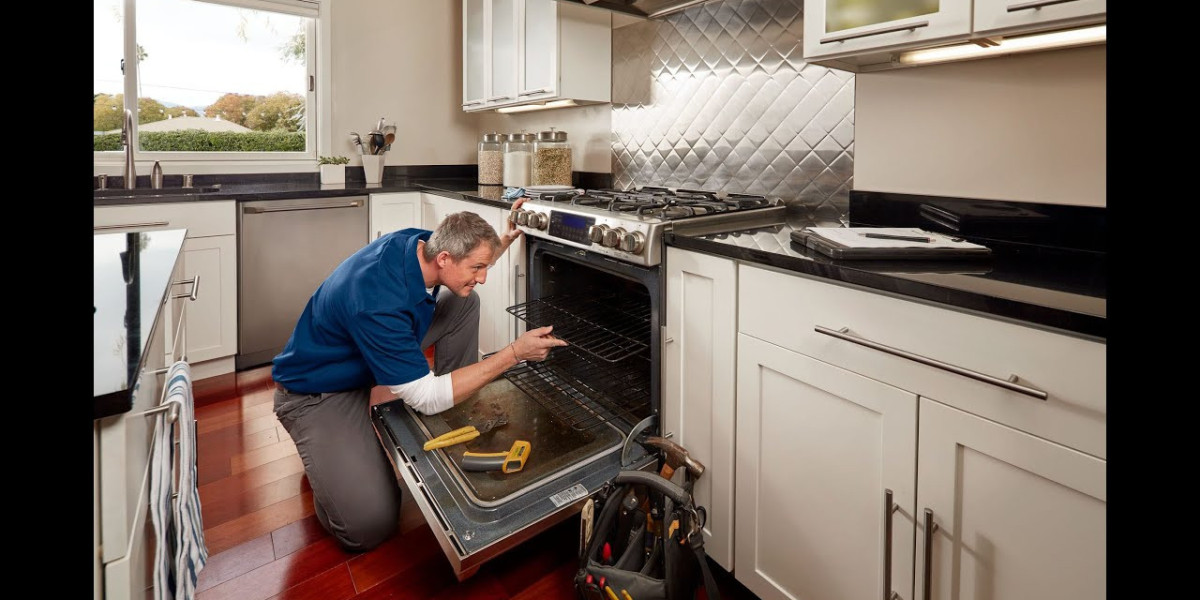
Many households depend on several appliances every day, including refrigerators, dishwashers, ovens, washers, and dryers. When another appliance starts showing problems, Appliance Repair Services can provide a broader solution instead of searching for a different provider for every device. A professional service can assess the appliance, determine whether a repair is practical, and help restore normal operation. Keeping appliances maintained can also help homeowners notice developing problems before they become larger interruptions or lead to unnecessary replacement costs. Regular cleaning of appropriate exterior and interior areas, careful use of controls, and following the manufacturer's operating instructions can support dependable performance. Small maintenance habits can make everyday appliance use more convenient.
Choosing Service With Care
When arranging a repair visit, homeowners should provide useful information about the appliance before the technician arrives. The brand, model number, symptoms, error codes, and approximate age can help create a clearer starting point for diagnosis. It is also helpful to ask what the inspection covers and whether the repair includes parts and labor. Clear communication makes the process easier and helps avoid confusion about what work is actually needed.
Repair or Replacement?
Not every microwave should automatically be replaced when something fails. The decision can depend on the appliance's age, condition, repair cost, and availability of suitable parts. A newer microwave with a manageable component failure may be worth repairing, while an older unit with repeated problems may make replacement more practical. A professional assessment can provide useful information without forcing a decision. Homeowners can then compare the expected repair expense with the cost and features of a replacement model.
Keeping Kitchen Routines Running Smoothly
A dependable microwave saves time during meal preparation, reheating, and everyday kitchen tasks. Addressing problems early can help prevent longer periods without the appliance and may reduce the chance of additional damage. Homeowners should avoid using a unit that sparks, smells burned, has damaged wiring, or has a door that does not operate correctly. Prompt attention, sensible maintenance, and qualified repair work can help keep the appliance useful and safe for regular household needs.