Recognizing Stinging Pest Activity
Finding stinging insects around a home can quickly become a concern, especially when their activity increases near doors, windows, patios, garages, or outdoor living areas. Wasps and bees can build nests in protected locations that are difficult to notice at first. Identifying unusual insect activity early can help homeowners address the situation before the nest becomes larger or more active.
Locating Hidden Nests
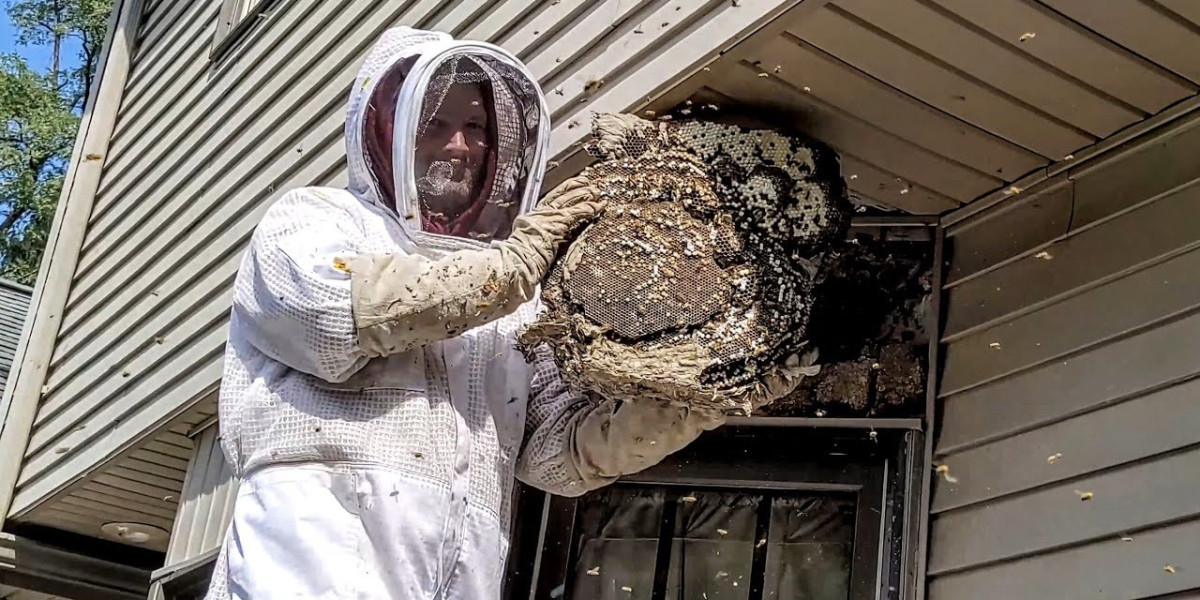
Wasp Nest Removal Services in Cranford NJ can help identify and address nests in areas where wasps may establish colonies. Common locations can include roof edges, wall openings, attics, sheds, garages, trees, and sheltered areas beneath outdoor structures. A careful inspection helps determine where insects are entering and where the nest is located, allowing the removal process to be planned around the property's specific conditions.
Understanding Different Insect Behaviors
Not every stinging insect behaves in the same way. Some wasps are highly defensive when their nest is disturbed, while certain bees may establish colonies in wall cavities, trees, or other protected spaces. Understanding the type of insect involved is important because removal methods can vary. Proper identification also helps determine whether the insects should be removed, relocated when practical, or managed through another appropriate approach.
Protecting People Around the Home
A nest near a frequently used area can create an unnecessary safety concern. Children, pets, visitors, and homeowners may unknowingly approach a nest while entering a building, gardening, mowing, or using a patio. Professional removal can help reduce direct contact with an active colony. It is also important to avoid disturbing an unfamiliar nest, since shaking, spraying, or blocking an entrance can cause insects to become defensive.
Inspecting Entry Points
Removing a visible nest may not address the reason insects selected a particular location. Small openings around siding, roofing, vents, eaves, windows, and other structural areas can provide access to sheltered spaces. Residential Bee Removal Company professionals can inspect potential entry points and surrounding areas to better understand where insects are establishing colonies. Addressing accessible openings after removal may help reduce the chance of recurring activity.
Handling Nests in Difficult Locations
Some nests are easy to see, while others may be hidden behind walls, beneath roofing materials, inside sheds, or high in trees. Difficult locations can make do-it-yourself removal particularly risky. Professionals can assess the surrounding structure and determine how the nest can be approached safely. The work may require specialized equipment when insects are located above ground level or within confined areas.
Preventing Future Nest Development
After an active nest has been dealt with, homeowners can take practical steps to make the property less attractive to stinging insects. Keeping food and sugary drinks covered outdoors can reduce insect activity around patios. Trash containers should remain properly closed, while standing water and unnecessary outdoor clutter should also be addressed. Sealing suitable openings around the structure can provide another layer of protection.
Maintaining Outdoor Areas
Regular property maintenance can make it easier to notice new insect activity before it becomes a larger issue. Homeowners can periodically check rooflines, sheds, fences, trees, exterior walls, and other sheltered locations. Unusual insect traffic around a small opening may indicate that insects are entering a hidden space. Early attention can make the situation easier to assess and prevent people from accidentally disturbing an established nest.
Choosing a Careful Removal Approach
When stinging insects establish a colony around a residence, the appropriate response depends on the insect species, nest location, colony size, and surrounding conditions. A professional assessment can help homeowners understand what is happening before action is taken. Careful removal focuses on addressing the active nest while considering nearby people, pets, landscaping, and the structure itself. This approach can provide a more organized solution than attempting to handle an unfamiliar colony without proper knowledge.
Creating a Safer Residential Environment
Stinging insects have an important role in the environment, but an active nest in or around a home can create practical concerns. Identifying the source of activity, locating hidden nests, and addressing accessible entry points can help homeowners regain comfortable use of their property. With appropriate professional attention and regular exterior maintenance, residential spaces can be better prepared to manage unwanted insect activity while reducing the likelihood of repeated nesting problems.