
Understanding the Purpose of an Inspection
Buying or maintaining a property involves more than looking at its appearance. Important problems can exist behind walls, beneath flooring, around the roof, or within major systems. A professional inspection provides a closer look at the condition of a property and can help identify areas that may require attention. This information can support better planning before a purchase, sale, or major improvement project.
Examining the Main Areas of a Home
Real Estate Inspection Services in Longwood FL can provide a detailed review of important areas throughout a residential property. An inspection may include the roof, exterior surfaces, foundation, attic, interior rooms, plumbing, electrical components, heating and cooling equipment, and other accessible systems. The purpose is to observe visible conditions and document concerns that may deserve further evaluation or maintenance.
Looking Beyond Cosmetic Appearance
Fresh paint, updated flooring, modern fixtures, and attractive landscaping can make a home look well maintained. However, cosmetic improvements do not always reveal the condition of the underlying structure or systems. An inspection focuses on functional and visible components that may not be obvious during a normal property visit. This can include signs of moisture, damaged materials, poor drainage, worn components, or other conditions.
Checking Structural Components
The structural portions of a property are important because they support the building and influence its long-term stability. Inspectors may examine accessible areas such as the foundation, framing, floors, ceilings, walls, and roof structure. Visible cracks, unusual movement, water damage, or deterioration can warrant additional attention. Not every observed condition means there is a serious structural problem, but documenting unusual findings helps determine whether further evaluation is appropriate.
Reviewing Major Home Systems
A home depends on several interconnected systems for everyday comfort and operation. Home Inspection Company professionals can review accessible plumbing, electrical, heating, cooling, and other major components as part of the inspection process. The goal is to identify visible deficiencies and provide useful information about the condition of these systems. Some specialized issues may still require assessment by licensed contractors or other qualified professionals.
Identifying Moisture and Water Concerns
Water intrusion can cause significant property damage when it remains unnoticed. Inspectors may look for visible staining, damp areas, damaged materials, drainage concerns, and other indications of moisture. Areas around bathrooms, kitchens, roofs, windows, and exterior walls can receive particular attention because water may enter through several different pathways. Early identification can help property owners investigate potential sources before damage becomes more extensive.
Evaluating the Exterior
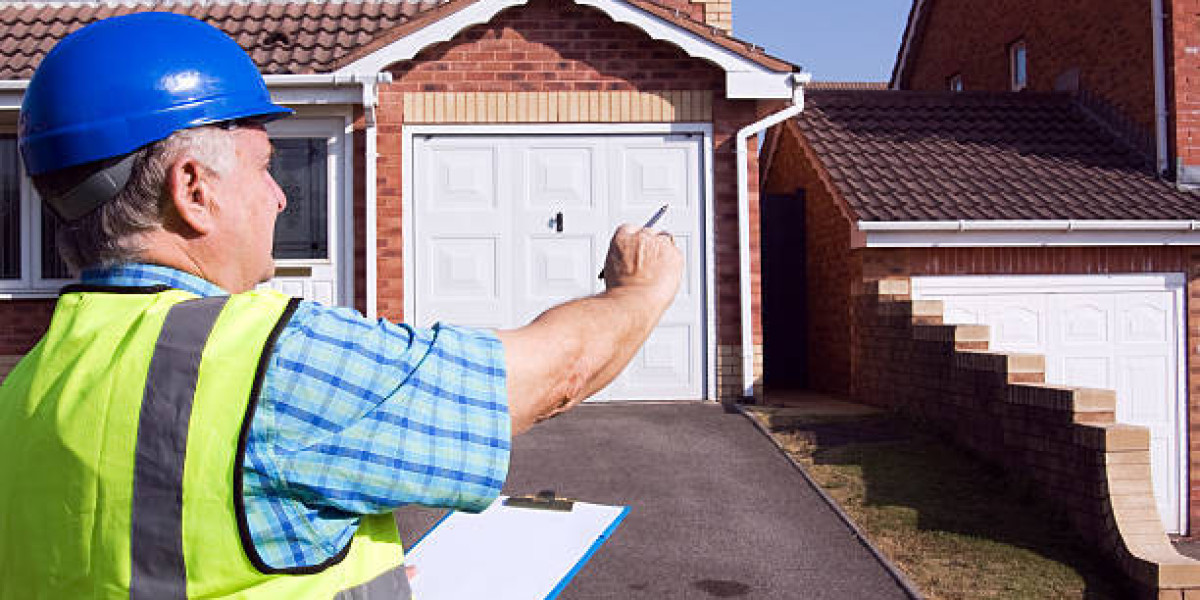
The outside of a property can provide important clues about its overall condition. Exterior inspections may include siding, doors, windows, decks, porches, walkways, drainage features, grading, and other accessible components. Damaged surfaces or poor water drainage can affect the interior over time. Regular attention to exterior conditions can help protect the structure from weather-related deterioration and reduce avoidable maintenance problems.
Reviewing Safety-Related Conditions
An inspection can also identify conditions that may affect everyday safety. Loose railings, damaged steps, missing protective features, exposed wiring, improper fixtures, and other visible concerns may be documented during the process. Safety observations are particularly useful because some issues may not be noticeable during a casual walkthrough. Addressing these concerns can help create a more secure environment for residents and visitors.
Understanding the Inspection Report
After the inspection, the resulting report can provide an organized record of observed conditions. Property owners and buyers can use the information to understand which areas appear satisfactory and which may need maintenance, repair, or additional evaluation. It is important to distinguish between routine maintenance items and conditions that may require prompt professional attention. A clear report can make this information easier to review and discuss.
Planning Future Maintenance
An inspection is not only useful when buying or selling a home. Property owners can also use inspection findings to plan future maintenance and improvements. Knowing which components are aging or showing signs of wear can help prioritize projects. Instead of waiting for every issue to become urgent, homeowners can develop a practical maintenance plan based on the property's observed condition and expected needs.
Making More Informed Property Decisions
A thorough inspection provides valuable information about the visible condition of a property at a particular point in time. It does not guarantee that every hidden or future problem will be discovered, but it can reveal many conditions that deserve attention. By understanding the structure, systems, exterior, and potential maintenance needs of a home, buyers and owners can approach property decisions with clearer information and a better understanding of what may require attention.