
Understanding Dust Mite Buildup
Mattresses, carpets, and upholstered furniture can collect dust and other particles through everyday use. Dust mites are commonly found in mattresses and bedding, but they can also be present in carpets, chairs, sofas, and curtains. Regular cleaning and moisture control can help reduce the conditions that support dust mite activity and keep frequently used surfaces cleaner.
Giving Mattresses More Attention
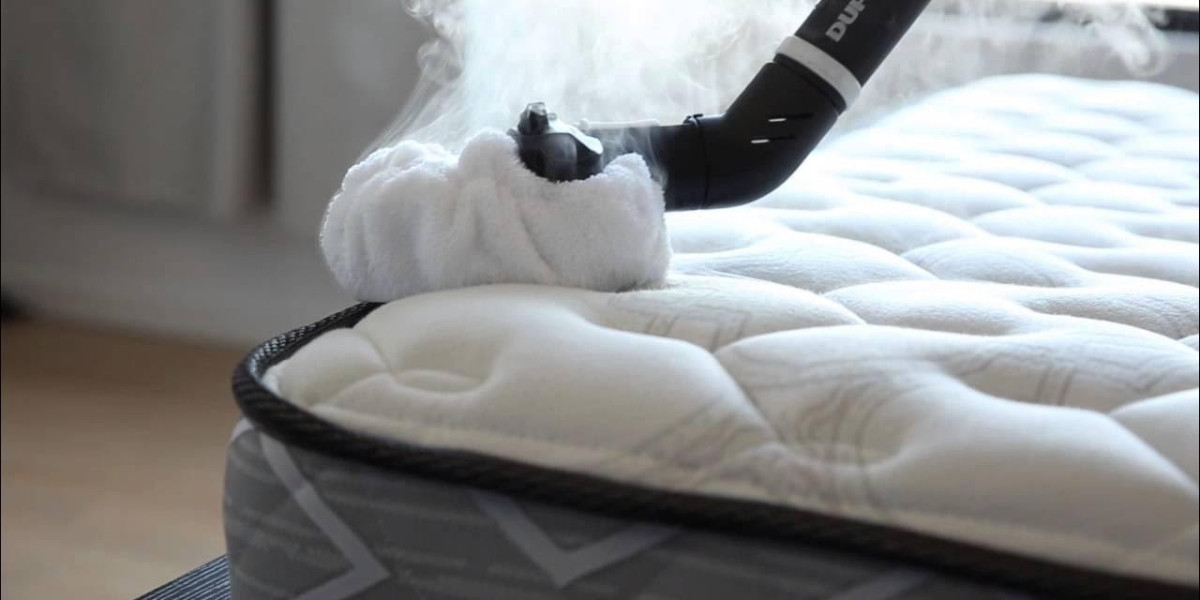
Mattress dust mite removal Chicago IL can be part of a broader approach to maintaining cleaner bedroom surfaces. Mattresses can collect skin particles, dust, oils, and other debris over time. Routine vacuuming can remove surface material, while washable bedding and allergen-proof mattress covers can provide additional protection. Regular mattress care is especially useful because people spend many hours in close contact with their bedding.
Cleaning More Than the Bed
Dust and allergens do not remain limited to the bedroom. Carpets, sofas, upholstered chairs, curtains, and other fabric surfaces can also collect particles over time. This makes whole-room cleaning important when the goal is to maintain a consistently cleaner indoor environment. Cleaning several fabric surfaces can help reduce accumulated debris instead of simply addressing one item while leaving other reservoirs untouched.
Improving Carpet Cleanliness
Carpets receive constant exposure to foot traffic, dust, food particles, pet debris, and outdoor contaminants. Vacuuming regularly can remove loose material from the surface, while deeper cleaning can address accumulated soil within the carpet. According to the Mayo Clinic, regular vacuuming of carpeting and padded furniture can remove surface dust, and a vacuum with a high-efficiency filter can be useful for managing dust mite allergens.
Caring for Upholstered Furniture
Upholstery and Carpet Cleaning can help refresh sofas, chairs, cushions, and other fabric-covered surfaces throughout a property. Upholstery can collect dust and particles in seams, cushions, and other difficult-to-reach areas. Professional cleaning methods should be selected according to the fabric and its care requirements. Testing a suitable cleaning method before treating a larger visible area can help reduce the risk of unwanted discoloration or fabric damage.
Managing Indoor Humidity
Humidity plays an important role in dust mite control. Dust mites tend to thrive in environments where sufficient moisture is available. The Mayo Clinic recommends maintaining indoor relative humidity below 50% as part of dust mite reduction efforts. Homeowners can monitor humidity with a hygrometer and use ventilation, air conditioning, or a dehumidifier when appropriate to help maintain a more controlled indoor environment.
Using Regular Cleaning Habits
A single deep cleaning does not permanently prevent dust or dust mites from returning. Consistent cleaning is more useful as part of an ongoing home-maintenance routine. Bedding should be washed regularly, while carpets and upholstered furniture can be vacuumed on a routine schedule. Guidance from Cambridge University Hospitals recommends regular vacuuming and damp dusting, particularly in areas where dust mite exposure may be higher.
Protecting Mattresses and Bedding
Mattress covers can provide another useful layer of protection. Allergen-blocking covers are designed to prevent dust mites and their allergens from moving through the material. Bedding should also be washed according to appropriate care instructions. The Mayo Clinic recommends washing sheets, blankets, pillowcases, and bedcovers regularly in sufficiently hot water when the fabric allows it. These measures can complement professional cleaning rather than replace it.
Addressing High-Traffic Areas
Some parts of a home accumulate dirt faster than others. Hallways, living rooms, bedrooms, entryways, and frequently used seating areas may require more consistent attention. Dirt tracked into a home can settle into carpet fibers, while daily contact can transfer particles onto upholstery. Paying extra attention to these high-use areas can help maintain a cleaner environment and prevent heavy buildup between deeper cleaning appointments.
Creating a Cleaner Indoor Environment
Maintaining mattresses, carpets, and upholstered furniture requires a combination of regular cleaning, moisture management, and practical household habits. Professional cleaning can help address accumulated dirt and debris, while routine vacuuming and washable bedding support ongoing maintenance. By treating frequently used fabric surfaces as part of the home's overall cleaning routine, homeowners can keep their living spaces fresher and better maintained throughout the year.