
Recognizing Oven Problems Early
An oven that suddenly stops working can interrupt meal preparation and create frustration around the kitchen. Problems may appear in different ways, including an oven that will not heat, takes too long to reach temperature, cooks unevenly, or shuts down unexpectedly. Recognizing these changes early can help homeowners address the issue before continued use places additional stress on other components.
Responding to Unexpected Breakdowns
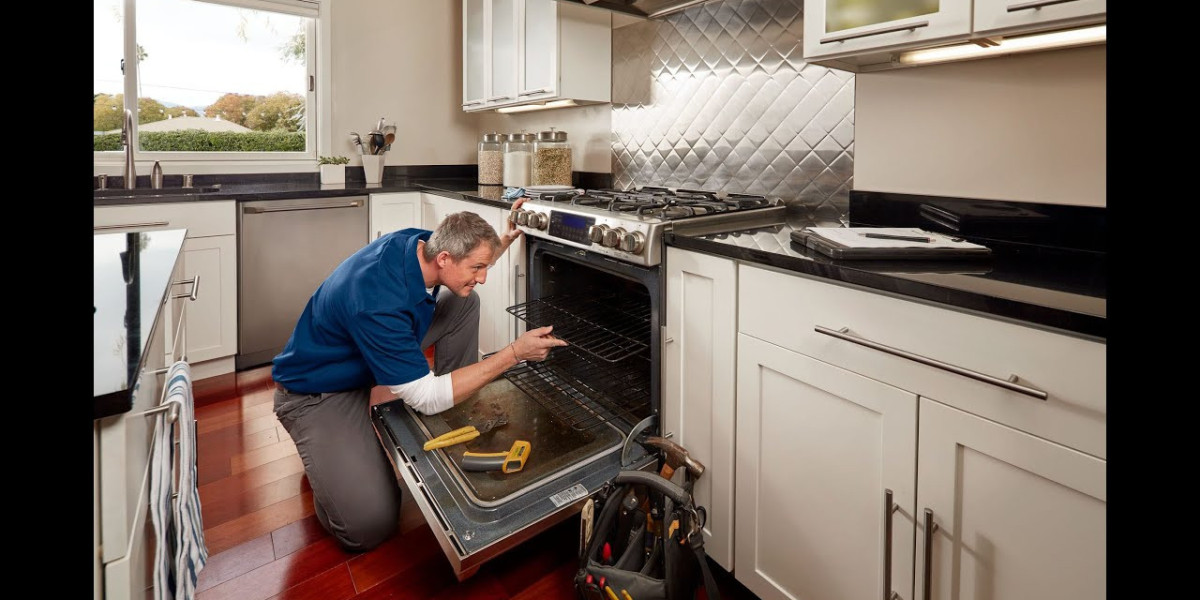
Same day oven repair Douglas GA can provide timely assistance when an oven develops a problem that needs attention without a long delay. Prompt service can be especially useful when the appliance is used regularly for cooking or when another household appliance is already unavailable. A technician can inspect the unit, identify the likely source of the problem, and determine which repair may be appropriate.
Understanding Common Heating Issues
Heating problems are among the most noticeable oven failures. Electric models may develop problems with heating elements, while gas ovens can experience issues involving ignition components. Temperature sensors, control boards, wiring, and other parts can also affect heating performance. A proper diagnosis is important because several different faults can produce similar symptoms.
Checking Temperature Accuracy
An oven may turn on normally but still fail to maintain the selected temperature. Food may take longer to cook, remain undercooked, or become overdone even when the same settings are used. A faulty temperature sensor, control problem, damaged heating component, or heat escaping around the door can contribute to inconsistent temperatures. Professional testing can help determine which component is responsible.
Addressing Door and Seal Problems
The oven door plays an important role in retaining heat during cooking. A damaged gasket, misaligned door, worn hinge, or obstruction can prevent the door from closing correctly. Heat can escape when the seal is compromised, making it difficult for the oven to maintain the desired temperature. A damaged door can also affect cooking consistency and should be inspected rather than ignored.
Handling Electrical and Gas Components
Appliance repair Douglas GA can cover a variety of problems involving residential cooking appliances. Oven repairs may involve electrical connections, heating elements, sensors, ignition systems, controls, or other internal components. Gas and electrical repairs require particular care because incorrect handling can create safety risks. Professional sources recommend leaving complex electrical and gas-related work to appropriately qualified technicians.
Responding to Unusual Sounds and Errors
Newer ovens often use electronic controls and display error codes when certain problems occur. Unusual buzzing, clicking, rattling, or repeated shutdowns can also indicate that a component needs attention. Error codes should be checked against the appliance's manufacturer documentation because their meanings differ between brands and models. If the problem continues after basic, manufacturer-approved checks, professional service may be appropriate.
Checking the Oven Before Service
Homeowners can perform a few simple observations before requesting repair. They can confirm that the appliance has power, check whether a circuit breaker has tripped, verify the selected cooking mode, and make sure the door is closing properly. More complex troubleshooting should not involve removing panels or working around internal wiring. Safety guidance recommends avoiding unauthorized disassembly or repairs when electrical or gas components are involved.
Choosing the Appropriate Repair
A good repair begins with accurate diagnosis rather than immediately replacing parts. The technician may examine the appliance's symptoms, model information, visible components, and relevant controls before determining the cause. This approach can help avoid replacing a functioning component while the actual problem remains unresolved. It also allows the homeowner to understand what needs attention before repair work is completed.
Maintaining Reliable Oven Performance
Regular care can help keep an oven operating properly between repairs. Spills and food residue should be cleaned according to the manufacturer's instructions, while vents and cooling areas should remain unobstructed. Homeowners should also pay attention to changes in heating performance, unusual sounds, error messages, or door problems. Addressing these signs early can help reduce the chance of a small issue developing into a more disruptive breakdown.
Restoring Confidence in Your Kitchen Appliance
A dependable oven makes everyday cooking easier and more predictable. When heating, temperature control, ignition, electrical components, or door mechanisms begin causing problems, professional diagnosis can help identify the appropriate solution. Timely attention can restore normal operation while helping protect other parts of the appliance from unnecessary strain. With proper care and qualified repair when needed, an oven can continue serving the household reliably for many meals to come.