
Modern manufacturing and maintenance operations require reliable methods for preparing metal and other surfaces before production, repair, coating, or restoration. Traditional cleaning methods often involve abrasive materials, chemical solutions, or extensive manual labor. As industries continue to look for more controlled and efficient processes, laser technology has become an important option for professional surface treatment.
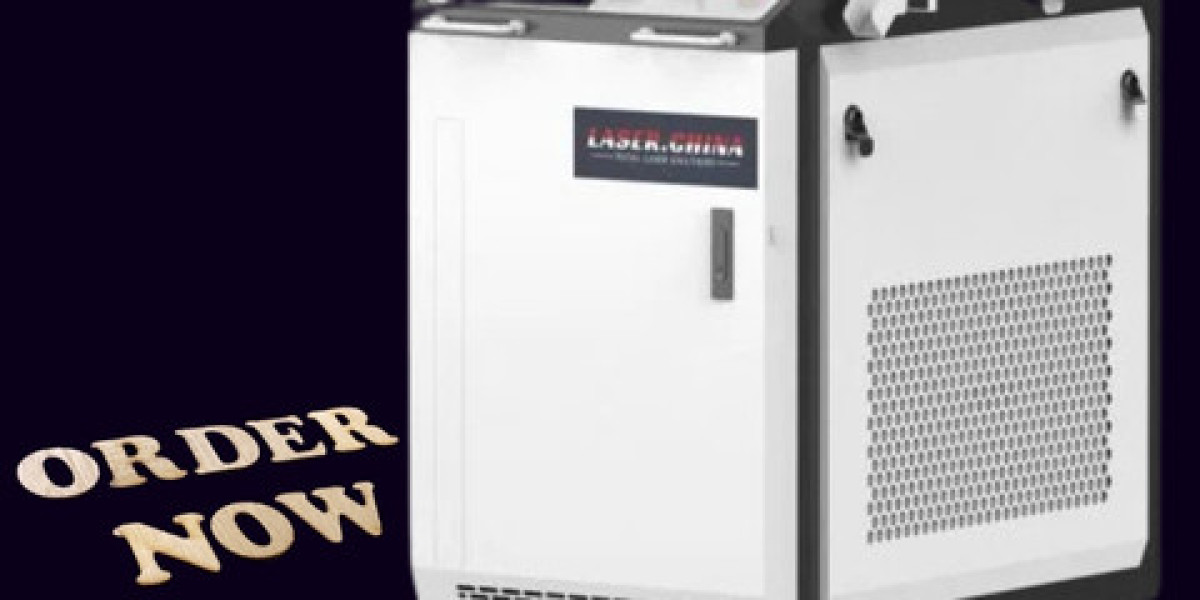
A laser cleaning machine uses concentrated laser energy to remove unwanted materials from a surface. Depending on the application and machine settings, it can target rust, paint, oil, grease, oxidation, dirt, and other contaminants while keeping the underlying material largely unaffected. This makes laser cleaning suitable for workshops, factories, restoration projects, automotive applications, and many other industrial environments.
What Is a Laser Cleaning Machine?
A laser cleaning machine is an industrial system designed to clean surfaces through controlled laser pulses or continuous laser energy. The laser beam interacts with unwanted material on the surface, causing contaminants to detach, evaporate, or break apart.
The process is based on carefully controlling parameters such as laser power, frequency, pulse duration, scanning speed, and beam width. Operators can adjust these settings according to the material and type of contamination being treated.
Unlike conventional blasting processes, laser cleaning does not require direct physical contact between a cleaning tool and the workpiece. The operator guides the laser over the selected area, allowing contaminants to be removed in a controlled manner.
How Does Laser Cleaning Work?
During laser cleaning, the laser beam is directed toward the contaminated surface. The unwanted layer absorbs the laser energy differently from the underlying material. When the energy reaches the appropriate level, the contaminant is removed from the surface.
For example, rust on a steel component can absorb laser energy and separate from the metal underneath. Paint coatings can similarly be treated by adjusting the laser parameters to interact primarily with the coating.
The cleaning process can be performed over large areas or concentrated on specific sections. This flexibility is particularly useful when working with components that contain delicate surfaces, edges, patterns, or areas that should not be affected.
Removing Rust From Metal Surfaces
Rust removal is one of the most recognized applications of laser cleaning technology. Steel structures, machine components, tools, automotive parts, and industrial equipment can develop oxidation when exposed to moisture and environmental conditions.
A laser cleaning machine can scan across the affected area and gradually remove the rust layer. Operators can control the treatment according to the thickness and condition of the oxidation.
After cleaning, the prepared metal surface can be inspected for further processing. This can be useful before painting, welding, coating, maintenance, or restoration.
Paint and Coating Removal
Old paint and surface coatings can create challenges during equipment refurbishment and industrial maintenance. Mechanical removal may require considerable effort, while chemical stripping involves handling substances that require appropriate storage and disposal procedures.
Laser technology provides another method for selectively removing coatings. By choosing suitable laser parameters, operators can process painted surfaces section by section.
This approach can be especially useful for components where only a particular coating needs to be removed while the base material is retained for subsequent work.
Cleaning Oil, Grease, and Industrial Contamination
Industrial components frequently accumulate oil, grease, carbon deposits, and other residues. These contaminants can interfere with welding, inspection, coating, and maintenance processes.
Laser cleaning can be used to treat many contaminated metal surfaces without requiring the use of traditional liquid cleaning agents. The operator can direct the laser toward the affected area and adjust the working parameters according to the contamination.
For manufacturing environments, this provides a practical approach to preparing components before additional production steps.
Applications in Automotive Maintenance
Automotive workshops and manufacturers can use laser cleaning technology for a variety of components. Metal parts affected by rust, paint, carbon deposits, or other residues can be treated before repair or refurbishment.
The technology can be applied to engine components, molds, tools, brake-related parts, fabricated metal components, and other suitable surfaces.
For restoration work, controlled cleaning is particularly important because excessive mechanical treatment can change the surface condition of an older component. Laser processing allows operators to work gradually and monitor the surface during treatment.
Laser Cleaning for Welding Preparation
Surface preparation is an important part of welding. Rust, paint, oil, oxidation, and other contaminants can interfere with the welding process and affect the quality of the finished joint.
Using a laser cleaning machine before welding can help prepare the area by removing unwanted surface contamination. The cleaning process can be focused on the exact region that will be welded.
This is useful in fabrication workshops where components need to move through cleaning and welding processes efficiently.
Cleaning Industrial Molds and Tools
Molds and tools can accumulate residues during repeated manufacturing cycles. Removing these deposits manually can take time and may require abrasive techniques.
Laser cleaning provides a controlled method for treating many metal molds and tooling surfaces. Because the process can be directed to specific areas, operators can work around detailed shapes and selected sections.
Regular cleaning can also form part of a planned maintenance routine, helping production teams keep equipment ready for continued use.
Choosing the Appropriate Laser System
Different cleaning jobs require different machine configurations. Before purchasing equipment, users should consider the material being treated, contamination type, surface condition, required cleaning speed, and working environment.
Laser power is one consideration, but it should not be the only factor. Pulse characteristics, scanning system, operating controls, cooling arrangements, and available accessories can also influence the suitability of a machine for a particular application.
For businesses handling multiple materials and contamination types, a versatile system with adjustable operating parameters may be more practical.
Operating a Laser Cleaning Machine
Proper operation is essential when working with industrial laser equipment. Operators should receive appropriate training and understand the machine controls before starting production work.
The work area should be arranged according to the equipment manufacturer's safety requirements. Appropriate laser safety measures, protective equipment, ventilation, and controlled access should be used as required.
Before cleaning a valuable or sensitive component, testing on a suitable sample or less critical section can help determine appropriate settings. Starting with controlled parameters and gradually adjusting them allows the operator to evaluate the cleaning process.
Maintenance and Long-Term Use
Regular machine maintenance helps keep laser cleaning equipment operating consistently. Operators should follow the manufacturer's recommendations for inspection, cleaning, cooling systems, optical components, cables, and other relevant parts.
The condition of the laser source and optical path should be monitored according to the machine's service requirements. Keeping the working environment clean and following recommended maintenance schedules can support reliable operation over time.
Businesses should also maintain proper records for servicing, inspections, and operator training.
Where Laser Cleaning Technology Is Heading
As manufacturers continue to improve industrial laser systems, surface treatment is becoming increasingly precise and adaptable. Improvements in control systems, scanning technology, portable designs, and laser sources are creating more possibilities for different industrial applications.
Portable systems are particularly useful for large structures and components that cannot easily be moved into a dedicated cleaning area. Fixed systems, meanwhile, can be incorporated into production environments where repeatable cleaning operations are required.
Final Thoughts
A laser cleaning machine offers a modern approach to removing rust, paint, oxidation, oil, grease, and other unwanted materials from suitable surfaces. Its controlled, non-contact process makes it relevant to manufacturing, automotive maintenance, welding preparation, restoration, tooling, and general industrial cleaning.