
Surface preparation is an important part of manufacturing, maintenance, restoration, and fabrication. Removing rust, paint, oxidation, oil, dirt, and other unwanted layers from a surface can traditionally require chemicals, abrasive materials, or extensive manual labor. As industries look for more controlled and efficient methods, laser technology has become an increasingly practical option. A laser cleaner uses concentrated laser energy to remove unwanted contaminants from a surface while allowing operators to control the cleaning process according to the material and application.
From workshops and factories to automotive repair centers and restoration projects, laser cleaning technology is being used for a wide variety of applications. Its contactless operation makes it suitable for situations where maintaining the original surface condition is important. With the right settings and equipment, laser cleaning can provide a precise approach to preparing metal and other suitable surfaces for further processing.
What Is a Laser Cleaner?
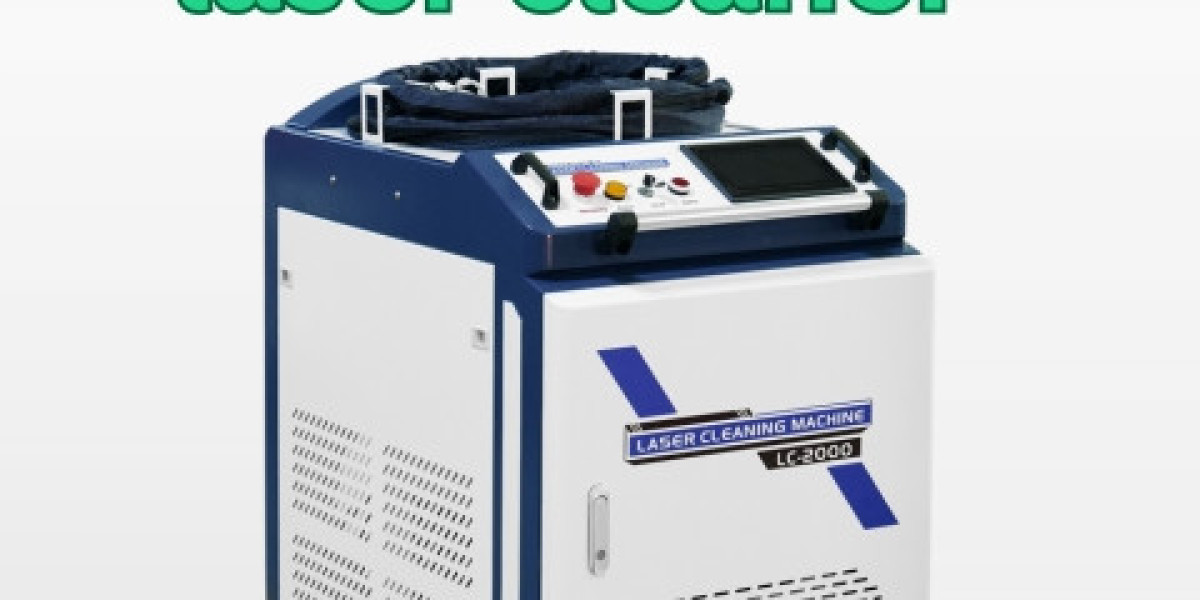
A laser cleaner is an industrial machine designed to remove unwanted substances from surfaces through controlled laser energy. Instead of using physical contact, the laser beam interacts with the contaminant and causes it to separate from the underlying material.
The process can be used for different types of surface contamination, including rust, paint, oxide layers, grease, carbon deposits, and certain coatings. The exact cleaning result depends on the material, contamination type, laser power, scanning speed, frequency, and other operating parameters.
Modern laser cleaning machines are available in different configurations. Handheld systems are commonly used for maintenance and flexible workshop applications, while integrated systems can be incorporated into automated production lines.
How Does Laser Cleaning Work?
The laser cleaning process begins by directing a controlled beam toward the contaminated surface. The energy interacts primarily with the unwanted layer, allowing it to be loosened, vaporized, or removed from the surface depending on the material and selected parameters.
Operators can adjust the cleaning settings to match different applications. A suitable combination of laser power and scanning speed helps control how much energy reaches the surface. This is particularly important when cleaning valuable components or delicate areas where excessive heat or energy could affect the base material.
Because the laser operates without direct mechanical contact, there is no conventional abrasive tool rubbing against the workpiece. This allows operators to work on complex shapes, edges, joints, and selected areas with greater control.
Removing Rust With a Laser Cleaner
Rust removal is one of the most recognizable applications of laser cleaning technology. Metal components exposed to moisture and oxygen can develop oxidation over time, affecting their appearance and potentially interfering with subsequent manufacturing or maintenance processes.
A laser cleaner can target rust layers on suitable metal surfaces and separate the oxidation from the underlying material. This makes laser cleaning useful for industrial components, tools, machinery parts, automotive components, steel structures, and maintenance work.
The operator can control the process according to the thickness and condition of the rust. For heavily contaminated components, multiple passes may be used rather than attempting to remove everything in a single aggressive operation.
Paint and Coating Removal
Removing old paint and coatings is another important application. Conventional stripping methods can involve chemicals, scraping, sanding, or abrasive blasting. These approaches may require additional preparation and cleanup depending on the project.
Laser cleaning provides a contactless approach for selectively removing coatings from appropriate surfaces. This can be useful when a specific area needs to be exposed for inspection, repair, welding, or repainting.
In industrial manufacturing, selective coating removal can also help prepare particular sections of a component without processing the entire surface. Proper parameter selection remains essential because different coatings respond differently to laser energy.
Preparing Surfaces for Welding
Clean surfaces are important for many welding operations. Oil, oxidation, paint, rust, and other contaminants can interfere with the preparation process and affect the consistency of subsequent fabrication work.
A laser cleaner can be used before welding to remove unwanted material from selected areas. This creates a cleaner working surface and can simplify preparation before the welding stage.
For manufacturers working with stainless steel, carbon steel, aluminum, and other suitable materials, laser cleaning can become part of a broader production workflow. The appropriate laser system and settings should always be selected according to the specific material and application.
Cleaning Industrial Machinery
Machinery accumulates dirt, oil, oxidation, and production residues during regular operation. Maintenance teams often need to clean machine components without unnecessarily disassembling an entire system.
Laser cleaning equipment can be used for selected maintenance tasks where its operating conditions are appropriate. Components, molds, tools, and metal parts can be processed to remove accumulated contamination and prepare them for inspection or continued maintenance.
For workshops handling different components throughout the day, a handheld system can provide flexibility because the operator can move the cleaning head around the workpiece rather than relying on a fixed cleaning position.
Applications in Automotive Maintenance
Automotive workshops can use laser cleaning technology for a variety of metal preparation tasks. Rusted components, old coatings, welding areas, engine components, molds, and other suitable parts may require controlled cleaning before repair or refinishing.
The contactless nature of laser cleaning can be particularly useful when operators need to work around specific areas without applying abrasive force directly to the component.
Before processing automotive parts, technicians should identify the base material, coating, contamination, and desired result. These factors help determine the appropriate laser settings and cleaning approach.
Restoration and Precision Cleaning
Restoration projects often require careful treatment because the original surface can have historical, functional, or aesthetic value. Traditional abrasive methods may remove unwanted material but can also affect the underlying surface if not carefully controlled.
Laser cleaning offers a precise alternative for certain restoration applications. Operators can work on targeted areas and adjust the process according to the condition of the surface.
This makes the technology interesting for restoration workshops, museums, metalwork specialists, and professionals working with older components. However, valuable or delicate objects should always be tested carefully and processed by trained specialists.
Choosing the Right Laser Cleaner
Selecting suitable equipment starts with understanding the application. The type of contamination, base material, cleaning area, required production speed, and working environment all influence the choice of machine.
Laser power is one consideration, but it should not be the only factor. A system intended for light surface cleaning may have different requirements from equipment designed for heavy rust or thick coating removal.
The cleaning method should also match the working environment. Handheld machines provide flexibility for different workpieces, while automated solutions can be appropriate for repetitive production processes.
Manufacturers and suppliers can help customers determine suitable specifications by reviewing the materials and contaminants involved in the intended application.
Safe and Controlled Operation
Laser cleaning equipment should be operated according to the manufacturer's safety instructions. Industrial laser systems can present significant eye and skin hazards, so appropriate protective measures and a controlled working environment are essential.
Operators should receive proper training and use the recommended protective equipment. The workspace should also be arranged to prevent unintended exposure to the laser beam and to manage particles or fumes produced during certain cleaning processes.
Good ventilation, suitable extraction systems, protective eyewear, controlled access, and proper machine setup can all contribute to safer operation.
Integrating Laser Cleaning Into Modern Production
As manufacturing becomes increasingly focused on controlled processes, surface cleaning is becoming an important part of production planning. Instead of treating cleaning as a separate manual task, manufacturers can incorporate laser cleaning into preparation, maintenance, welding, coating, and finishing workflows.
For businesses processing large numbers of components, consistent operating parameters can help create a repeatable cleaning process. For smaller workshops, portable and handheld equipment can provide flexibility across different jobs.
Final Thoughts
A laser cleaner provides a modern approach to removing rust, paint, oxidation, grease, coatings, and other unwanted surface contamination. Its controlled, contactless operation makes it suitable for a wide range of industrial, maintenance, fabrication, automotive, and restoration applications