
Understanding the Details of Apartment Relocation
Moving from one apartment to another requires careful organization and attention to property access. Limited parking, staircases, elevators, narrow hallways, and building regulations can affect how belongings are transported. Preparing for these conditions early helps reduce delays and makes moving day more predictable. A clear plan also helps residents manage packing, transportation, and other responsibilities without unnecessary confusion.
Choosing Appropriate Moving Assistance
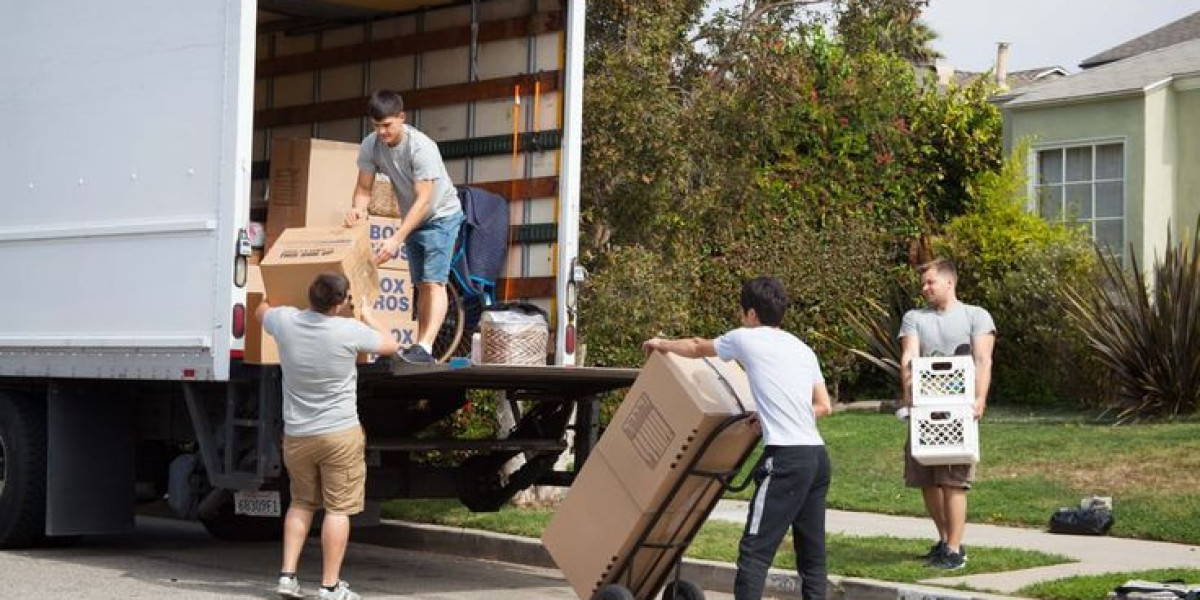
Professional moving support can simplify the process of relocating household belongings between apartments. Residential Apartment Moving Services Virginia Beach VA can help residents arrange the transportation of furniture, appliances, boxes, and other personal possessions. Before choosing a provider, consider the size of your apartment, the distance between properties, building access, and whether you need additional help with packing or furniture assembly.
Checking Building Requirements in Advance
Apartment communities often have specific procedures for residents moving in or out. Some buildings require advance elevator reservations, designated loading areas, proof of insurance, or permission to use particular entrances. Contact property management early to understand these requirements and confirm the available moving hours. Taking care of these arrangements beforehand can prevent avoidable scheduling problems.
Creating a Realistic Moving Schedule
A moving schedule helps divide relocation responsibilities into manageable tasks. Start by confirming your moving date and setting deadlines for sorting belongings, gathering packing materials, and preparing each room. Arrange utility transfers and address updates before the move. Allow additional time for building access arrangements, cleaning, and returning keys so that important responsibilities do not become last-minute concerns.
Sorting and Reducing Household Belongings
Packing an apartment becomes easier when unnecessary possessions are removed beforehand. Review clothing, kitchen supplies, furniture, decorations, and stored items to decide what should move with you. Donate usable belongings, sell items you no longer need, and dispose of damaged possessions responsibly. Reducing clutter can lower packing requirements and make organizing your new apartment more straightforward.
Selecting Suitable Packing Materials
Sturdy boxes, protective paper, packing tape, and cushioning materials help keep belongings secure during transportation. Use smaller boxes for heavy objects and larger containers for lightweight items. Wrap dishes, glassware, and decorative pieces individually, filling empty spaces to limit movement. Avoid overloading boxes, and make sure every container is properly sealed before placing it near the loading area.
Coordinating Packing and Transportation
Packing and transportation need to work together to keep an apartment move organized. Moving and Packing Services Virginia Beach VA may assist residents with preparing belongings, protecting fragile possessions, and coordinating relocation tasks. Before confirming an arrangement, ask which packing responsibilities are included, whether furniture disassembly is available, and how the provider handles items that require additional care.
Protecting Furniture and Apartment Surfaces
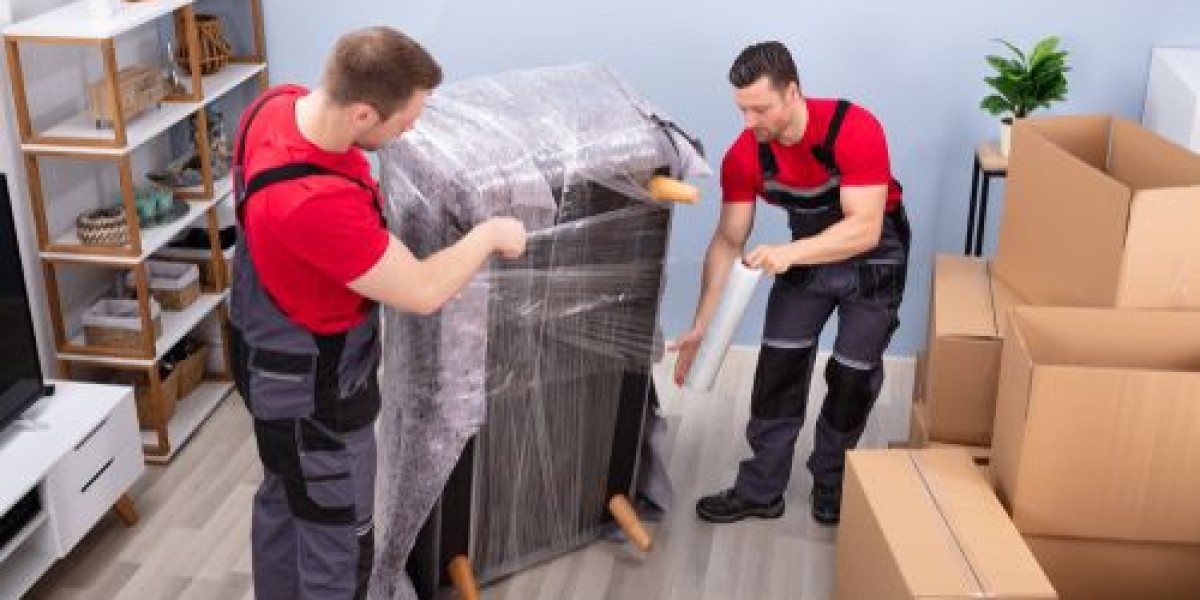
Furniture should be prepared carefully before it is moved through shared hallways and narrow entrances. Use suitable covers and padding to protect sofas, mattresses, tables, and cabinets. Remove detachable parts when appropriate and keep their fittings in labeled bags. Protecting floors, walls, and doorframes can also help prevent accidental damage to both the apartment being vacated and the new property.
Organizing Boxes for Easier Unpacking
Label each box with its destination room and a brief description of its contents. Mark fragile containers clearly so they receive appropriate handling. Packing one room at a time helps keep related belongings together and makes it easier to locate important items after arrival. Keep essential documents, chargers, toiletries, medications, and daily necessities in a separate bag.
Understanding Moving Costs and Estimates
Apartment moving costs can depend on the number of belongings, travel distance, stairs, elevator access, parking arrangements, and additional services. Packing assistance, heavy furniture handling, and difficult access may affect the final estimate. Request a written quotation that explains the included work and identifies possible extra charges. Comparing service details helps residents evaluate providers more accurately than price alone.
Preparing for Moving Day
Before the scheduled appointment, clear hallways and pathways so belongings can be carried safely. Keep building entrances and loading areas accessible, and confirm any reserved elevator or parking arrangements. Make sure children and pets remain away from active moving areas. Complete a final walkthrough of closets, cabinets, storage spaces, and balconies to avoid leaving personal belongings behind.
Settling Into Your New Apartment
Before unloading begins, decide where larger furniture should be placed in each room. This can reduce unnecessary lifting and repeated rearranging. Check that essential utilities are working and inspect furniture and valuable possessions for visible damage after delivery. Unpack important items first, then organize the remaining rooms gradually as you become familiar with the new living space.
Making Apartment Moving More Efficient
A successful apartment relocation depends on preparation, communication, and careful handling of personal belongings. Understanding building requirements, reducing clutter, using appropriate packing materials, and reviewing moving arrangements can prevent many common difficulties. With a realistic schedule and suitable assistance, residents can manage the transition more confidently and focus on settling comfortably into their new apartments.