
Understanding the Value of Roof Evaluations
A commercial roof protects the building, its contents, and the people who use the property. Over time, exposure to sunlight, rain, wind, and temperature changes can affect roofing materials and related components. Understanding the roof's current condition helps property owners recognize maintenance needs, plan repairs, and make better decisions about long-term building care.
Evaluating the Current Roofing Condition
A Commercial Roof Condition Assessment Melbourne FL provides an overview of the visible condition of a commercial roofing system. The evaluation may include accessible roofing surfaces, drainage features, flashing, seams, and other important components. Its findings can help owners understand whether the roof appears to be in suitable condition or whether certain areas need maintenance, repair, or further professional investigation.
Identifying Visible Signs of Damage
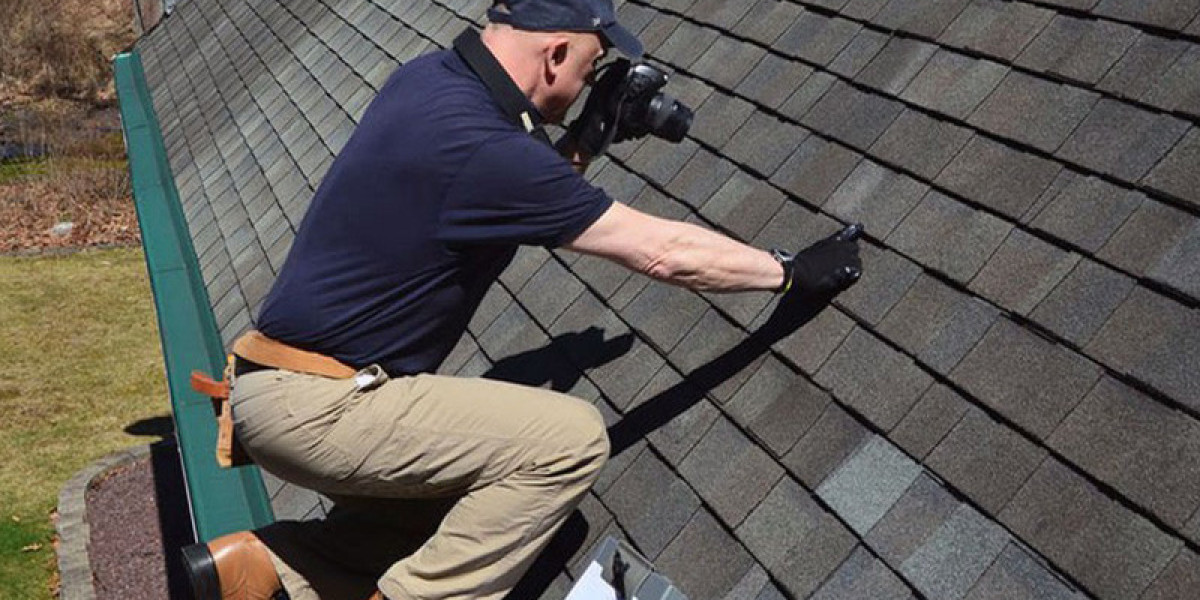
Roofing materials can develop different forms of damage as they age. Cracks, punctures, loose materials, deteriorated sealants, and damaged seams may affect the roof's ability to protect the building. An assessment helps identify visible concerns and document their locations. Recognizing these conditions can help property stakeholders decide which issues deserve attention and whether a more detailed evaluation is necessary.
Examining Roofing Materials
Commercial buildings may have different roofing systems, including membrane, metal, built-up, and modified bitumen roofs. Each material has its own characteristics and maintenance requirements. An evaluation should consider the type of roofing system and the visible condition of its components. Understanding the material helps property owners discuss appropriate maintenance and repair options with qualified roofing professionals.
Reviewing Drainage and Water Management
Effective drainage is important because water accumulation can place additional stress on roofing materials. Roof drains, gutters, scuppers, and downspouts should be reviewed for visible blockages, damage, or other concerns. Standing water may indicate drainage problems or areas where the roof surface has changed. Identifying these conditions can help owners determine whether cleaning, maintenance, or further assessment is appropriate.
Checking Flashing, Seams, and Roof Edges
Roof transitions and connection points deserve attention during an evaluation. Flashing around walls, vents, skylights, and other openings helps protect vulnerable areas from moisture. Seams and roof edges can also become weak when materials loosen or deteriorate. Reviewing these components helps identify visible defects that may increase the risk of leaks and require timely maintenance.
Understanding the Role of Commercial Inspections
A Commercial Inspection Melbourne FL can provide property stakeholders with useful information about accessible building conditions. When roofing is part of the agreed inspection scope, observations may help identify visible damage, maintenance concerns, or areas that deserve additional review. Before scheduling, owners should confirm which roof components will be examined and whether specialized roofing evaluations are available when needed.
Looking for Signs of Water Intrusion
Water entering through a roof can affect ceilings, insulation, interior finishes, and other building components. Visible staining, damp areas, peeling paint, or musty odors may suggest moisture concerns. However, the location of an interior stain does not always reveal the exact source of a leak. An assessment can help identify possible problem areas and guide appropriate follow-up investigation.
Preparing for a Roof Assessment
Property owners and managers can help make the evaluation more productive by gathering available roofing records and maintenance information. Details about previous repairs, recurring leaks, or known drainage problems may provide useful context. Safe access to relevant areas should also be arranged when possible. Any inaccessible sections should be identified so the assessment report can explain its limitations clearly.
Reviewing the Assessment Report
A useful report should describe the visible conditions observed during the assessment. It may include photographs, notes about damaged components, and recommendations for maintenance or additional evaluation. Property owners should review the findings carefully and ask questions about unclear observations. Understanding the location and nature of each concern makes it easier to establish practical next steps.
Prioritizing Roofing Repairs
Not every roofing concern requires the same response. Active leaks, significant material damage, and serious drainage problems may need prompt attention, while minor deterioration may be suitable for planned maintenance. Decisions should consider the roof's overall condition, materials, and building requirements. Qualified roofing contractors can provide repair estimates and explain suitable solutions for the identified issues.
Recognizing the Limits of an Assessment
A visual roof assessment generally focuses on accessible and observable conditions at the time of the visit. It may not include destructive testing, concealed materials, specialized moisture scanning, or detailed engineering analysis. Some concerns may require additional testing or review by a roofing specialist. Understanding these limitations helps property owners avoid treating a visual assessment as a guarantee of future roof performance.
Making Informed Roofing Decisions
A commercial roof condition assessment helps owners understand the visible state of an important building component. By reviewing roofing materials, drainage, connections, and signs of moisture intrusion, stakeholders can identify concerns and plan appropriate maintenance. Combining documented findings with professional repair advice supports better decisions about the roof's current needs and the property's long-term management.